Slash – Nepal
Leadership, wellbeing and economic independence of acid violence survivors
When violence leaves scars that society doesn’t want to see. Acid attacks and severe burn violence are rising in Nepal, and women are most often the targets. These assaults are frequently linked to domestic violence, dowry-related disputes, and deeply rooted gender-based power imbalances.
Survivors live with lifelong consequences: pain, repeated medical procedures, trauma, stigma, and social exclusion. Many lose their income, education, relationships, and even their place in the community. At the same time, dedicated burn care remains limited to a small number of specialised hospitals, and legal protections are fragmented. Nepal still lacks a clear, survivor-centred law that guarantees justice, treatment, rehabilitation, and compensation for acid and burn violence survivors.
This is where SLASH comes in.
The project
Where: Kathmandu Valley, Janakpurdham (Madhesh), Nepalgunj (Lumbini)
In place since: 5+ years (ongoing)
Focus: survivor-led protection, healing, reintegration, and systems change
Supported by: institutional and private donors – including partners such as the Sustainable Future Foundation
What SLASH does
SLASH is ActionAid’s long-term, survivor-centred programme that supports women and girls not only to recover, but to lead.
Over the years, SLASH has grown thanks to the commitment of survivors themselves and the support of both institutional and private donors, including contributions from the Sustainable Future Foundation. This backing has helped sustain a model that combines direct services with long-term change.
Survivors need more than emergency care. Recovery often requires long, expensive treatment and consistent emotional support. What we provide:
- emergency medical and surgical support when needed
- physiotherapy and rehabilitation
- psychosocial counselling for survivors and (when appropriate) for family members
- safe spaces where survivors can rebuild confidence and trust
Violence often destroys a survivor’s ability to earn. SLASH helps survivors rebuild livelihoods through practical skills and seed support. What we provide:
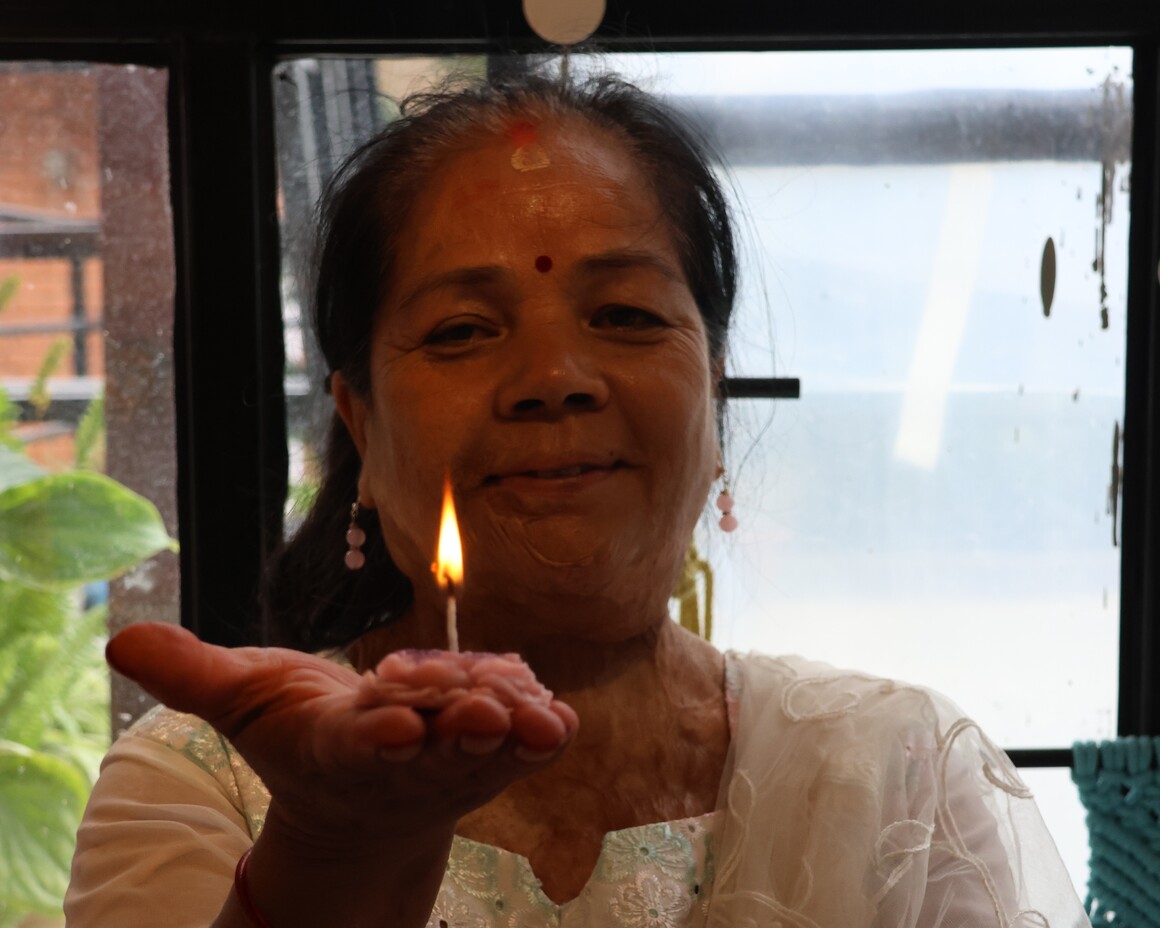
- vocational skills trainings (e.g., soap making, nature-grass handicrafts, jewellery making, crochet)
- business mentoring and seed support to start or strengthen small enterprises
- connection to markets and platforms that allow survivors to earn with dignity
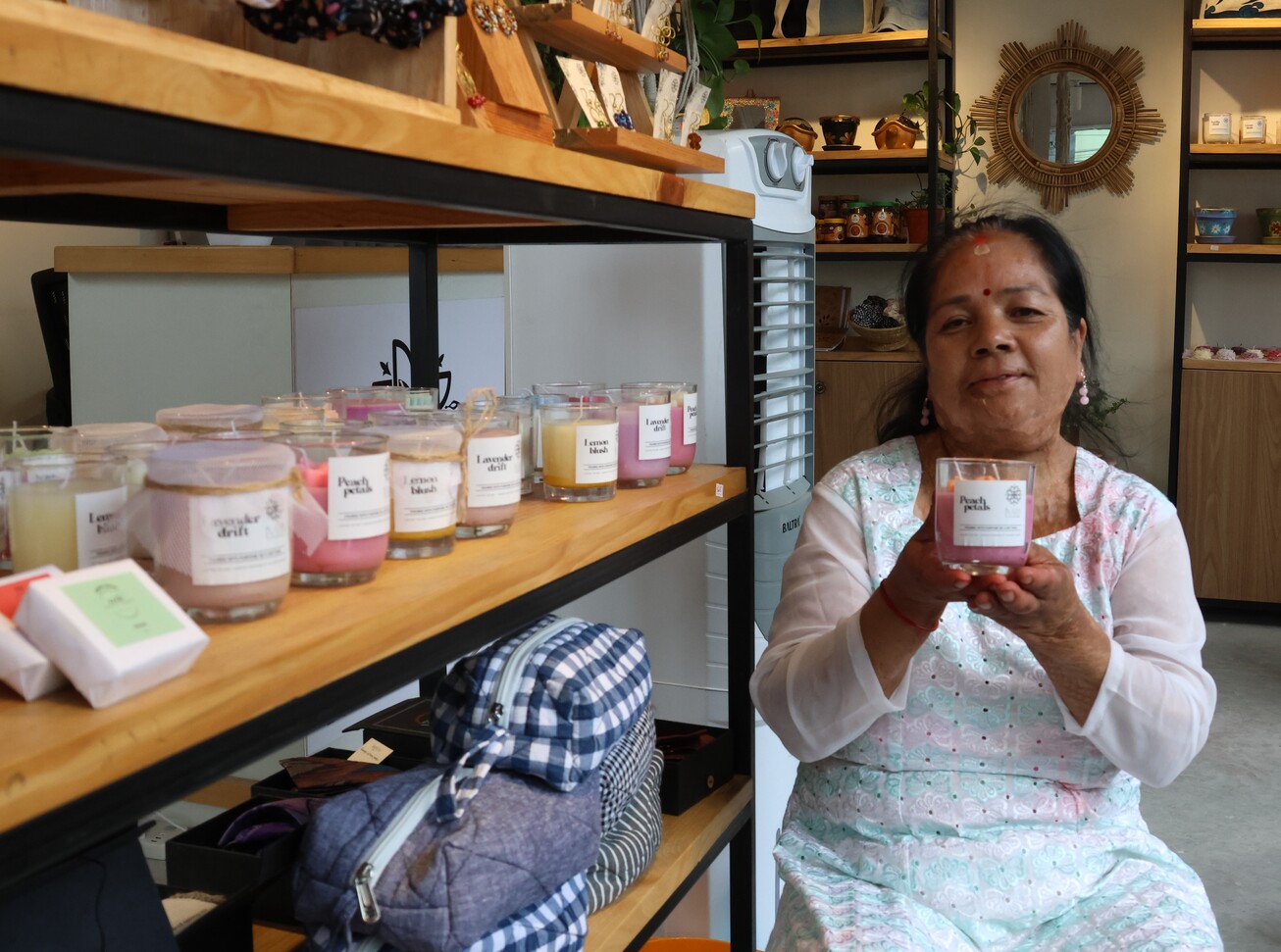
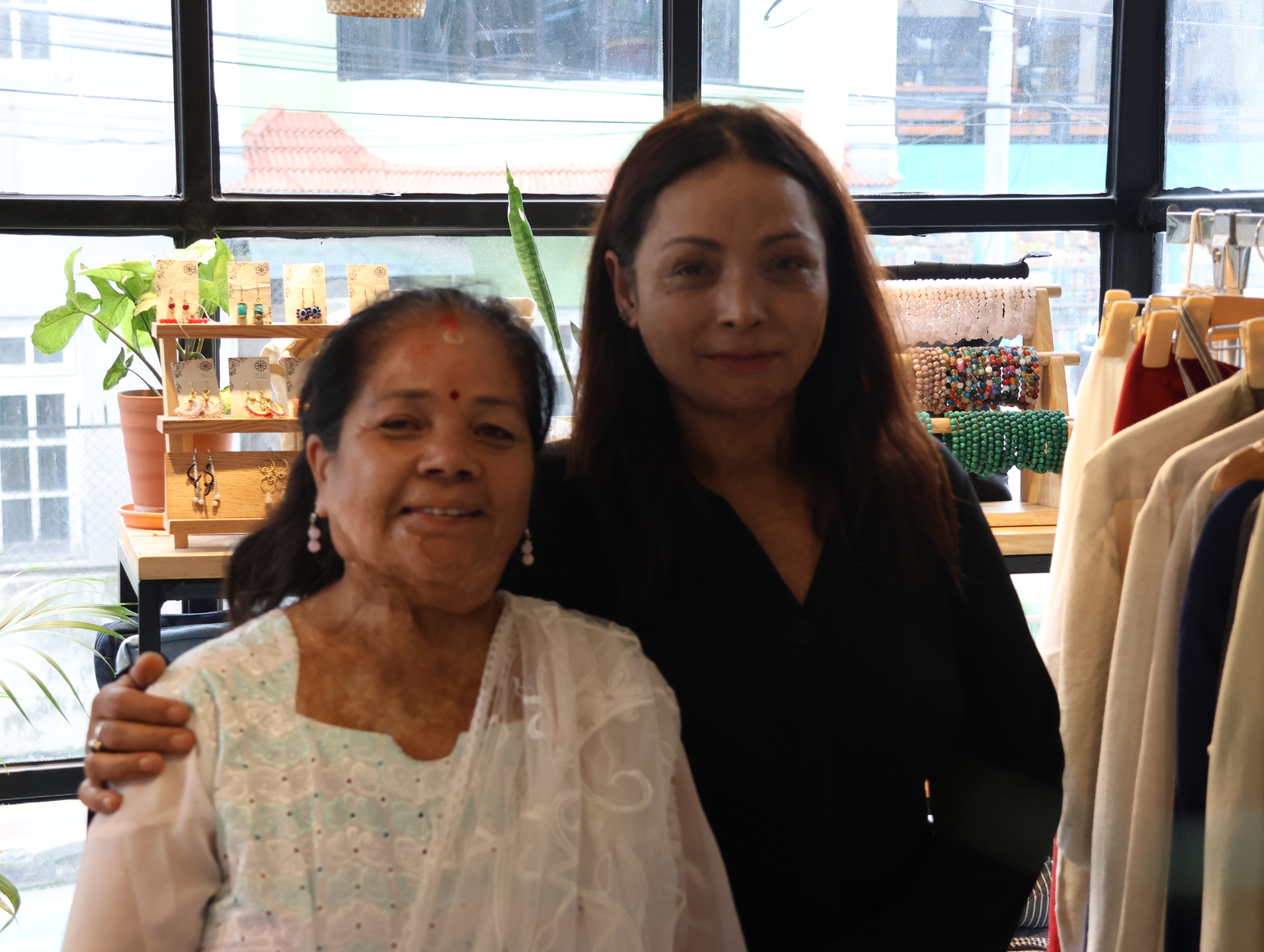
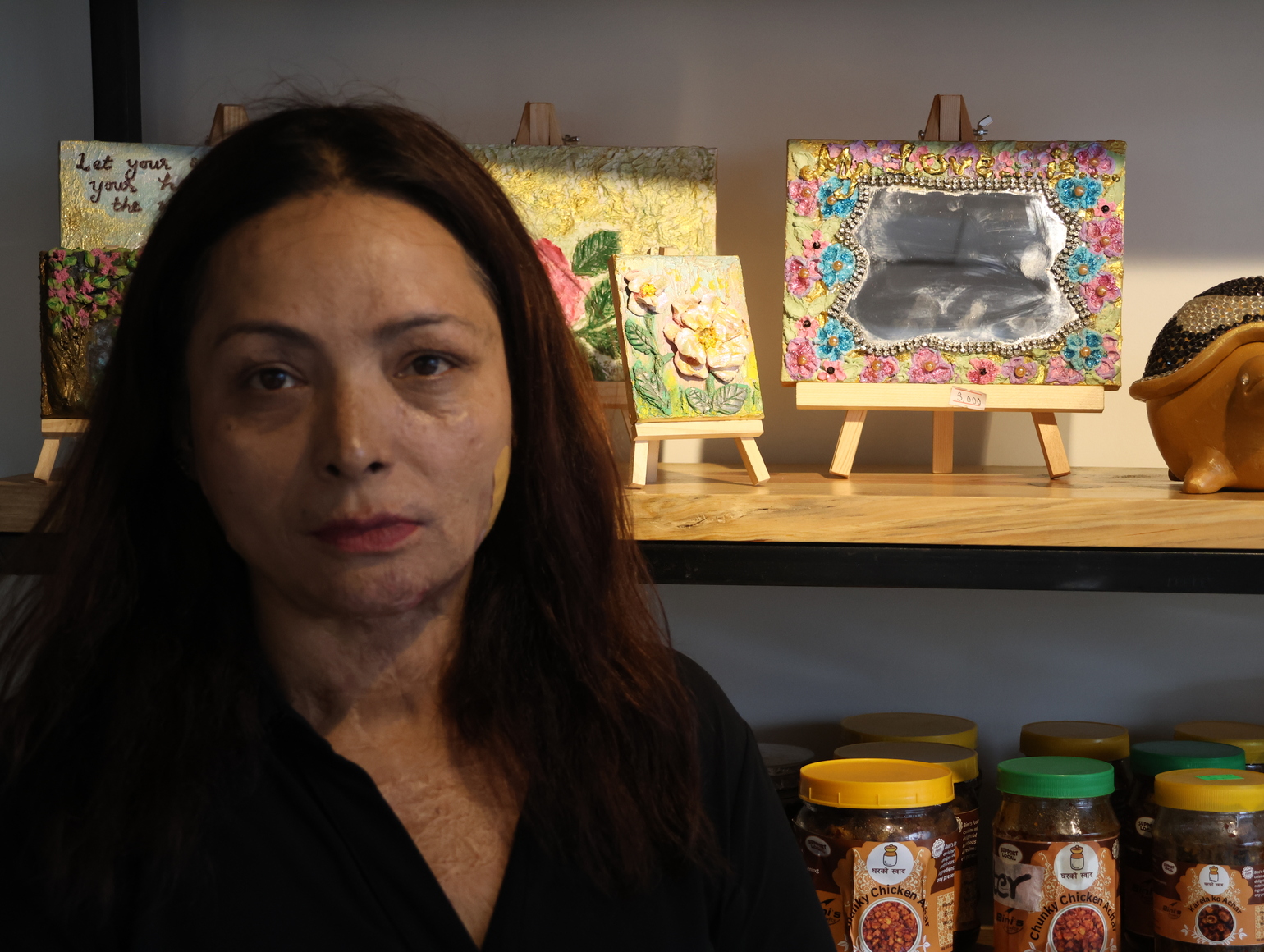
- A major milestone has been the development of “INARA by Astitwa” — a survivor-led outlet that sells products made by survivors and creates visibility, income, and pride.
Survivors are too often blamed, silenced, or ignored. SLASH works with communities and institutions so that survivors are supported, not stigmatized. What we do:
- awareness sessions with youth and communities on gender, sexuality, GBV prevention, and survivor rights
- radio programmes and local-language jingles that share survivor voices and practical information (including first aid guidance)
- training and dialogue with police, lawyers, and justice stakeholders to promote survivor-centred, trauma-informed responses
- mapping and strengthening referral pathways across protection, health, and justice services
What we’ve achieved so far
SLASH has grown into a recognised point of reference for survivors, families, and communities, both for prevention and response. Sustained support from institutional and private donors has enabled the programme to remain present over time, respond to urgent needs, and expand survivor leadership and systems engagement.
Between May 2025 and February 2026
- 37 awareness sessions across three locations
- 1,460 community members and students reached with messages on GBV prevention, survivor rights, and acid/burn violence
- 49 survivors supported so far through medical, psychosocial, rehabilitation, and/or livelihood assistance (toward a long-term target of 150)
- 14 family members reached through support services
- 55 government / business representatives engaged through coordination and sensitisation work
- Survivor leadership is growing
A key achievement has been the strengthening of survivor networks in all three locations, with regular meetings, peer support, and survivor focal persons.
In October 2025, SLASH delivered a three-day Leadership Development Training for 15 survivors and 2 family members, focused on communication, advocacy, confidence, and network leadership, helping survivors represent their peers and engage with stakeholders.
Systems are starting to shift
In December 2025, stakeholder sensitisation sessions in Nepalgunj and Kathmandu brought together 36 participants including legal professionals, police, media, civil society, and a survivor voice, generating practical recommendations to improve survivor-centred justice and coordination.
Economic reintegration is becoming real. Across the period, survivors have received skill development, mentoring, and seed support for enterprises such as small shops, soap making, mushroom farming, and livestock rearing, with follow-up visits confirming progress and gradual income generation.
What we are doing now
SLASH continues to expand and adapt — even in difficult operating conditions.
- continued survivor meetings and safe spaces for peer support
- ongoing medical and counselling services across the three sites
- targeted training and livelihood follow-up for seed recipients
- orientation sessions with local authorities to help survivors access government resources (including the GBV Prevention Fund)
When protests or festivals disrupted public gatherings, the programme adapted through smaller group sessions, careful safeguarding measures, and context-sensitive planning keeping survivors’ safety and continuity at the centre.
Why this matters
Acid and burn violence is intended to destroy a woman’s life, her body, her confidence, her future. SLASH is about rebuilding all of that and more.
It is about ensuring survivors can heal.
It is about creating income and independence.
And it is about transforming survivors into leaders who can demand change, so that other women and girls are protected, supported, and believed.