The Gambia
Dalaba CRSA: Agroecology and Youth Inclusion.
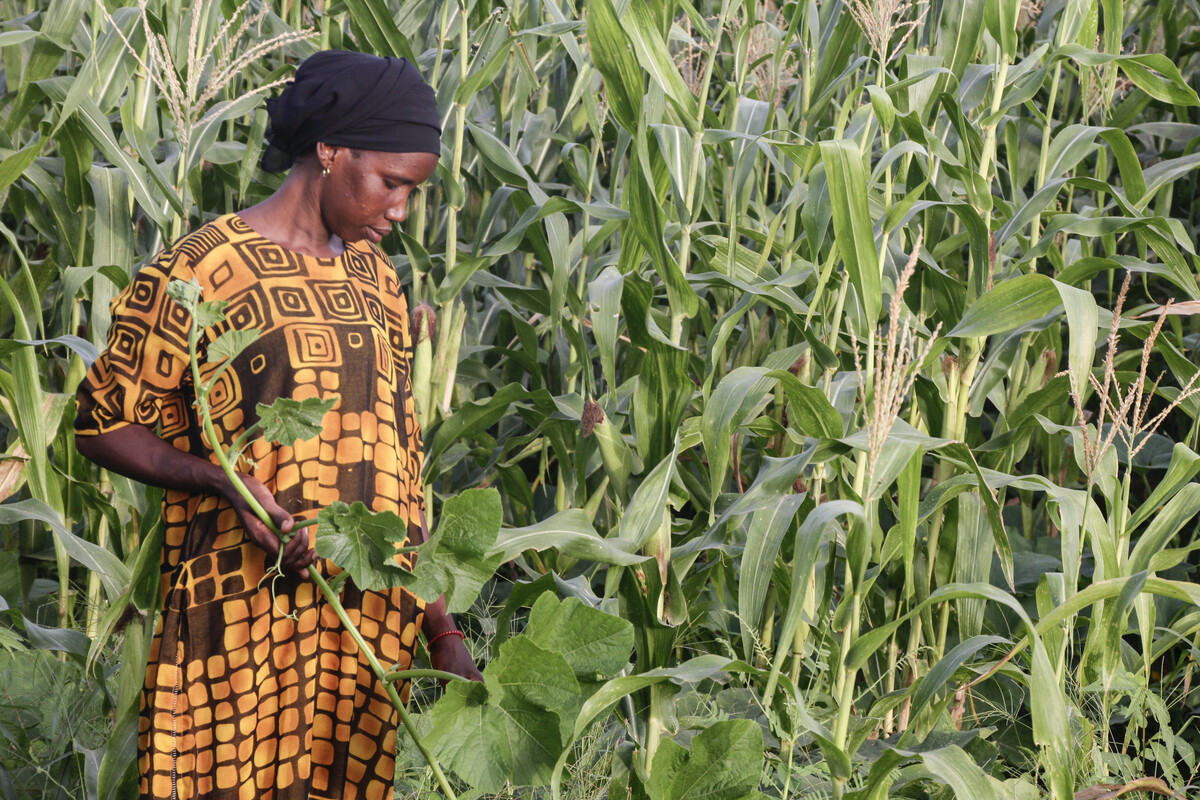
In the village of Dalaba, located in the Central River Region (CRR), stands the Center for Sustainable and Climate-Resilient Agriculture Training (CRSA). Created to counter youth unemployment and promote sustainable agricultural practices, the center operates in a rural context severely affected by the impacts of climate change.
Since 2018, ActionAid has been actively engaged in:
- Providing practical training to young people from rural communities in horticulture, small ruminant breeding, and poultry farming.
- Creating income opportunities through support for starting agricultural micro-enterprises.
- Promoting agroecology and climate-resilient agricultural techniques to strengthen food security and protect the environment.
- Offering concrete economic alternatives to vulnerable youth, often driven to leave their community or country in search of opportunities.
The center encourages the cultivation of vegetables using agroecological methods that can improve soil fertility and reduce environmental impact. Training includes practices such as composting, integrated pest management, crop rotation, and the use of simple and sustainable tools, suitable for the local context.
Over the years, hundreds of girls and boys have received training and support to start their own agricultural business. In recent years, the center has expanded its commitment with intensive residential courses, which offer participants the opportunity to stay free of charge at the facility. At the end of the program, and after a thorough evaluation of the skills acquired, each participant receives an initial capital, accompanied by ongoing technical support, to start an income-generating activity.
- 660 young people trained at the agroecology centre
- Over 5,500 girls and boys sensitised on issues of migration and sustainable agriculture
- 2,000 heads of households, 200 religious and opinion leaders, 200 representatives of local authorities, and 250 activists, journalists and bloggers involved
- Over 100 women trained in production techniques that improve soil health and reduce environmental damage
- “Cascade” training sessions in nearby communities, conducted by the beneficiaries themselves to pass on the acquired skills
- Improved agricultural yields and reduced use of harmful chemicals
A project rooted in the land and in people

Fatou Darboe
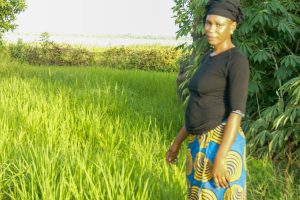
“After the training I received at Dalaba, on organic fertilisers/compost and climate-resilient agroecology, I trained more than 30 women in compost production. We produced enough for our own use, and some is already ready for sale.”

Adama Sonko
“After the CRSA training, I engaged with my community, reaching over 200 women through discussion meetings. So far, I have raised awareness among 90 women on compost production and sustainable agroecological practices. Together, we are cultivating a healthier future.”
Ndella Dampha
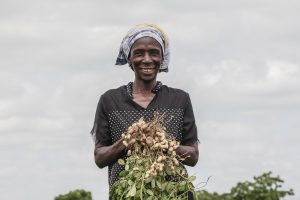
“The training at Dalaba changed the way I see things. I now know how to produce compost fertilisers and ecological, natural pesticides. I’ve adopted innovative farming methods that can adapt to climate variability. I thank ActionAid International Gambia for investing in my growth and in the growth of other young farmers like me.”
Gibbie Barry
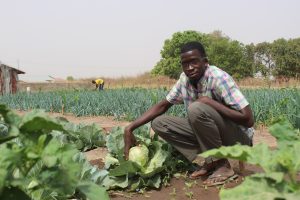
Gibbie is 27 and comes from a poor farming family. To allow his younger siblings to stay in school, he had to drop out early. After receiving training at the Dalaba Centre, he started an agroecological garden at home with his brother, using local materials and support from ActionAid. Today, he grows organic vegetables for his family and for sale and has also started a small poultry farm.
“Thanks to this project, I’m changing my life and my brothers’ lives. Now I can support them, and they won’t have to drop out of school like I did.”
Sohna Ceesay
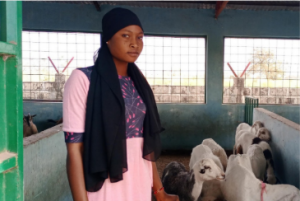
Sohna completed high school, but like many girls in Gambia, she couldn’t find real opportunities. Thanks to the Dalaba Centre, she was able to start a broiler chicken farming business. She has already completed three production cycles with 100 birds each. With her first earnings, she bought a goat and a mobile phone. She also introduced natural fertilisers in her family’s farming, reducing costs and improving soil quality.
“Now I can think about my future, independently, and help my community change as well.”

Muhammed Bah
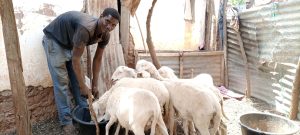
After eight years in Libya, trying to reach Europe via the Mediterranean, Muhammed returned to Gambia. Here, he received training in animal husbandry and started a small livestock farm, growing from 6 to 11 animals in just a few months. He was even able to support his family during the Eid al-Adha celebration.
“I regret taking the sea route. If I had known about this project earlier, I would never have left. Now I have a new opportunity, and I want to grow it here, in my own country.”
If you would like to support our projects or need more information, please contact:
Claudia Vitali
Corporate, Major Donor & Philanthropy Officer ActionAid Switzerland
claudia.vitali@actionaid.org
+39 3349836820