Cultivating lands, building future
In rural villages in inland Gambia, leaving one’s land often seems like the only way to seek a better future. The lack of employment—especially for women and young people—pushes many to drop out of school, migrate, and risk their lives.
But there is a place that offers a concrete alternative: the Dalaba Climate Resilient Sustainable Agriculture (CRSA) Training Centre, where a new opportunity is sown every day.
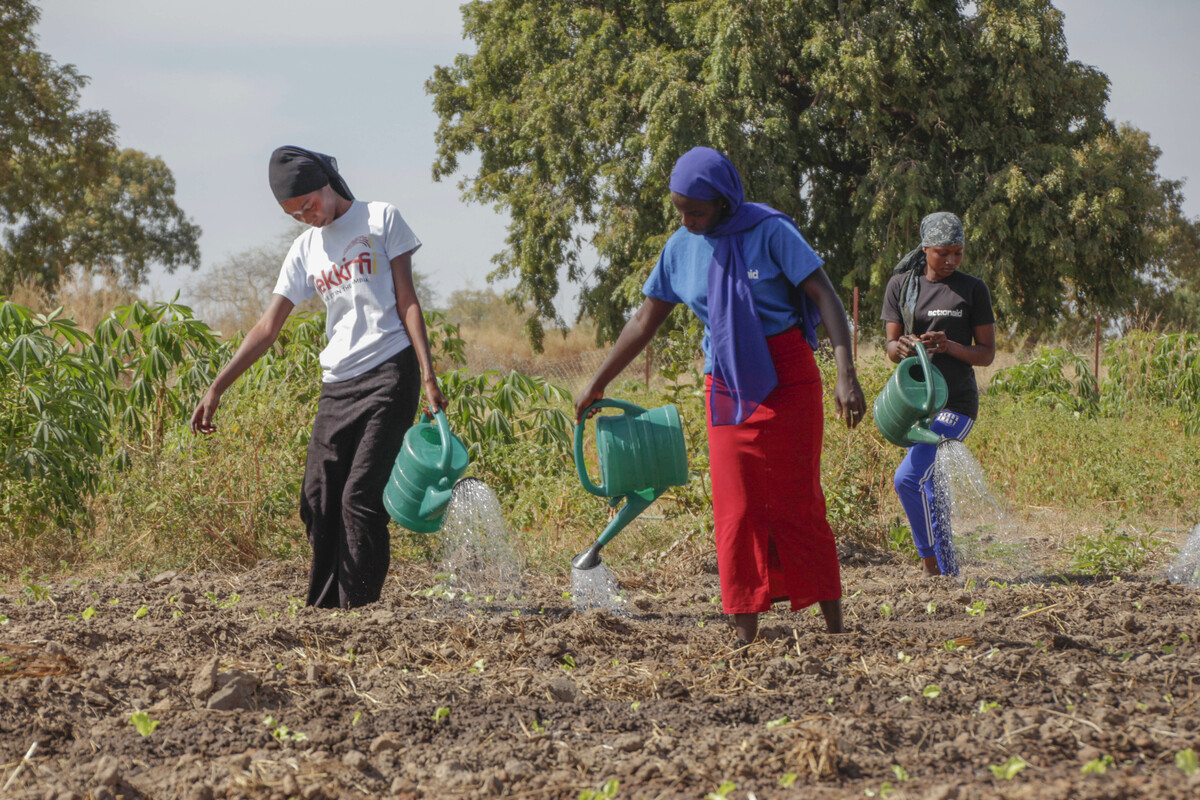
Established in 2018 with the help of European funds, the Centre is managed by ActionAid and has grown over time thanks to the support of organisations such as Fondazione Corti, Tavola Valdese, Fondazione Temperatio, and Fondazione Däster Schild.
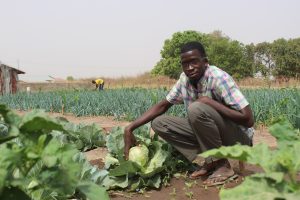
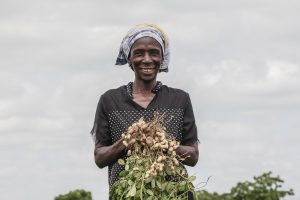
Today, Dalaba is much more than an agricultural centre: it is a place where young women and men learn to cultivate the land sustainably, care for animals, and transform small skills into real entrepreneurial ventures.
It is here that many young women—often excluded from training opportunities or the job market—find, for the first time, confidence in themselves, practical tools, and networks of support.
Why Gambia?
Climate change is hitting the world’s most vulnerable communities hard, bringing droughts, heatwaves, floods, and storms. Gambia is no exception.
Irregular rainfall, rising temperatures, and long drought periods are jeopardising agriculture—one of the country’s main economic drivers. In a context where 67% of the population is under 25, many young people abandon rural areas in search of opportunities in cities or undertake dangerous migration routes to Europe.
That is why we chose to intervene here.
Because Gambia embodies many of the vulnerabilities we work on: the impact of the climate crisis, the lack of prospects for young generations, the marginalisation of women.
Investing in training and sustainable agriculture means strengthening communities, creating concrete alternatives, and building a future where today there is uncertainty.
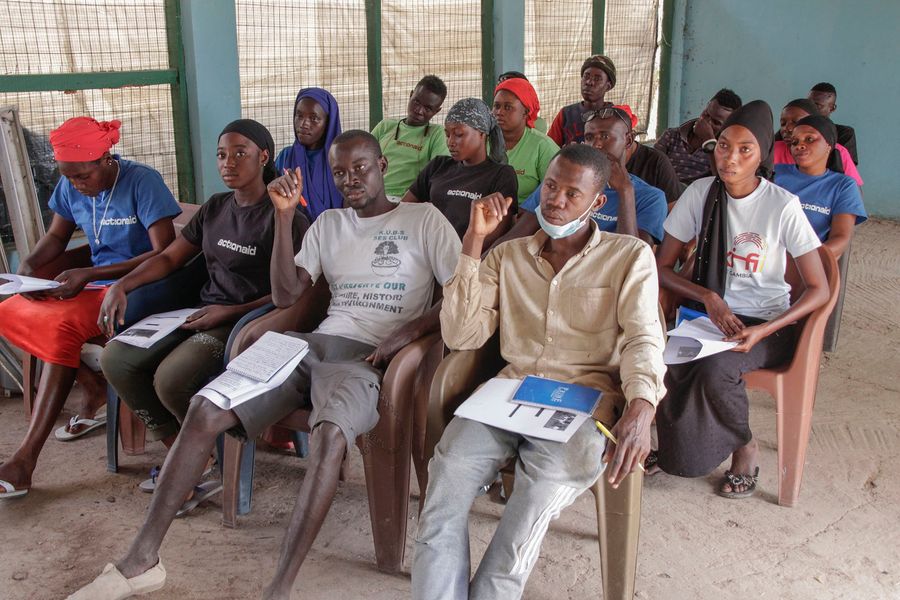
What is ActionAid doing?
The Dalaba project was created to offer a real alternative to forced migration.
Our goal is to strengthen food security and promote agricultural vocational training, creating new sources of income—especially for women and young people.
In practical terms, the project offers:
- Hands-on training in agroecology and climate-resilient sustainable agriculture
- Business start-up support through a dedicated start-up kit programme, which includes seed funding, vocational training in financial and business planning, and continuous mentoring after the enterprise is launched
- The construction of a dormitory to host young people from remote areas and ensure access to training for those who live far away
Our approach ensures the continuity of activities over time, prevents the abandonment of rural areas, and offers a concrete alternative to dangerous migration journeys across the desert and the Mediterranean.
Real impact. Tangible change.
Dalaba is not just an idea—it is a growing reality, with measurable results:
- 660 young people trained in agroecology at the Centre (over half of them women)
- 5,500+ young people engaged in awareness-raising activities on migration and sustainable agriculture
- 2,000 heads of households, 200 religious and opinion leaders, 200 local authority representatives, and 250 activists, journalists and bloggers involved
- 100+ women trained in farming techniques that improve soil health and reduce environmental damage
- “Cascade” training sessions in neighbouring communities led by beneficiaries themselves to pass on acquired knowledge
- Improved crop yields and reduced use of harmful chemicals
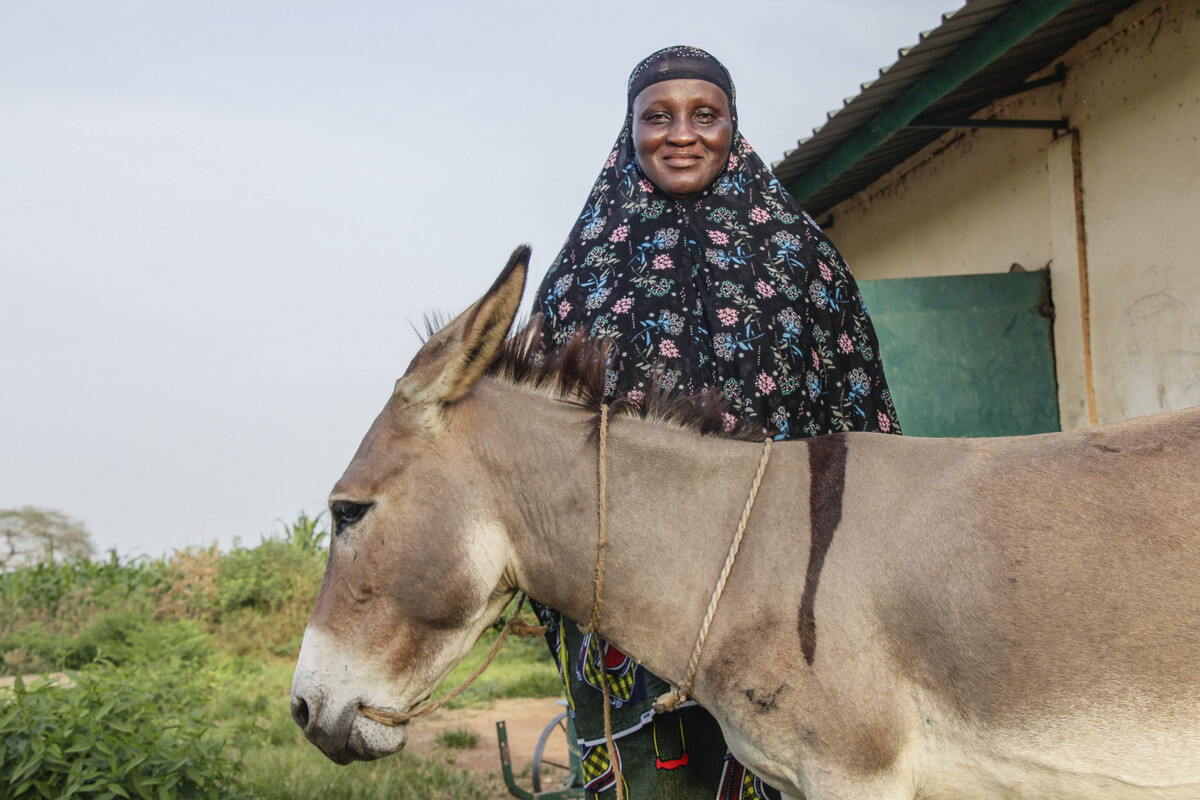
An alternative to forced migration
Dalaba is now a true model of rural resilience: it gives young people the freedom to choose, offering knowledge, tools, and confidence. For every young person who starts an agricultural enterprise, there is an entire community that changes.
Despite its successes, challenges remain. Constant funding is needed to:
- Expand training and welcome more young people
- Increase support for women and girls excluded from the education system
- Build new classrooms and equip professional spaces
- Provide start-up capital to those who complete the training
Because every agricultural business that starts here is a choice against dropping out of school, against forced migration, against the marginalisation of women. It is a seed planted for the future
A project rooted in the land and in people

Fatou Darboe
“After the training I received at Dalaba, on organic fertilisers/compost and climate-resilient agroecology, I trained more than 30 women in compost production. We produced enough for our own use, and some is already ready for sale.”

Adama Sonko
“After the CRSA training, I engaged with my community, reaching over 200 women through discussion meetings. So far, I have raised awareness among 90 women on compost production and sustainable agroecological practices. Together, we are cultivating a healthier future.”
Ndella Dampha
“The training at Dalaba changed the way I see things. I now know how to produce compost fertilisers and ecological, natural pesticides. I’ve adopted innovative farming methods that can adapt to climate variability. I thank ActionAid International Gambia for investing in my growth and in the growth of other young farmers like me.”
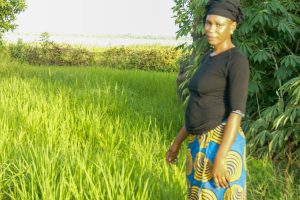
Gibbie Barry
Gibbie is 27 and comes from a poor farming family. To allow his younger siblings to stay in school, he had to drop out early. After receiving training at the Dalaba Centre, he started an agroecological garden at home with his brother, using local materials and support from ActionAid. Today, he grows organic vegetables for his family and for sale and has also started a small poultry farm.
“Thanks to this project, I’m changing my life and my brothers’ lives. Now I can support them, and they won’t have to drop out of school like I did.”
Sohna Ceesay
Sohna completed high school, but like many girls in Gambia, she couldn’t find real opportunities. Thanks to the Dalaba Centre, she was able to start a broiler chicken farming business. She has already completed three production cycles with 100 birds each. With her first earnings, she bought a goat and a mobile phone. She also introduced natural fertilisers in her family’s farming, reducing costs and improving soil quality.
“Now I can think about my future, independently, and help my community change as well.”

Muhammed Bah
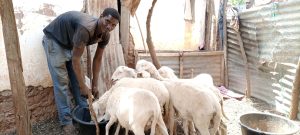
After eight years in Libya, trying to reach Europe via the Mediterranean, Muhammed returned to Gambia. Here, he received training in animal husbandry and started a small livestock farm, growing from 6 to 11 animals in just a few months. He was even able to support his family during the Eid al-Adha celebration.
“I regret taking the sea route. If I had known about this project earlier, I would never have left. Now I have a new opportunity, and I want to grow it here, in my own country.”